
Asset Protection
Persistent monitoring and operational control around critical infrastructure.
Vessel and aircraft activity tracked and structured around defined assets, with real-time visibility and controlled messaging where required.
Defined Asset Monitoring
Activity structured around fixed infrastructure and controlled zones.
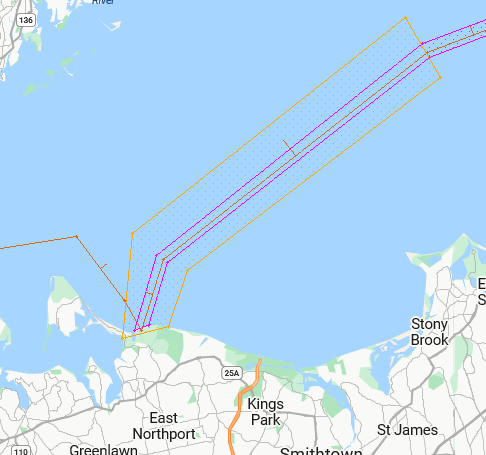
The network monitors vessel and aircraft movement in proximity to defined assets, including pipelines, ports, offshore platforms, and restricted areas.
Zone-Based Awareness
Defined boundaries with continuous visibility.
Geographic zones are configured around assets to monitor activity, track proximity, and maintain awareness of vessel behavior within controlled areas.
◆ Asset-centered monitoring zones
◆ Proximity-based activity tracking
◆ Defined zones, corridors, right-of-ways, restricted areas
Intervention Through Messaging
Direct communication within defined operational areas.
AIS messaging enables direct communication with vessels operating within configured zones, allowing for real-time warnings, instructions, and enforcement of defined boundaries where approved.
◆ Site-specific messaging configuration
◆ Defined geographic broadcast zones
◆ Controlled message types and logging
Operational Outcomes
Supporting real-time awareness and response for high-value infrastructure environments.
The system supports real-time awareness and response, enabling operators to reduce exposure, improve compliance, and maintain control over high-value infrastructure.
◆ Reduced risk of vessel proximity incidents
◆ Improved compliance and auditability
◆ Real-time operational response
Network Coverage
Consistent monitoring across locations and environments.
Coverage
Coverage is provided through a combination of existing network infrastructure and site-specific deployments.
◆ Coastal and offshore coverage
◆ Port and anchorage monitoring
◆ Extended range beyond local systems
Consistency
Data is structured consistently across assets and locations.
◆ Standardized monitoring framework
◆ Comparable activity data
◆ Consistent reporting outputs
Example Outputs
Data aligned to operational control and reporting.
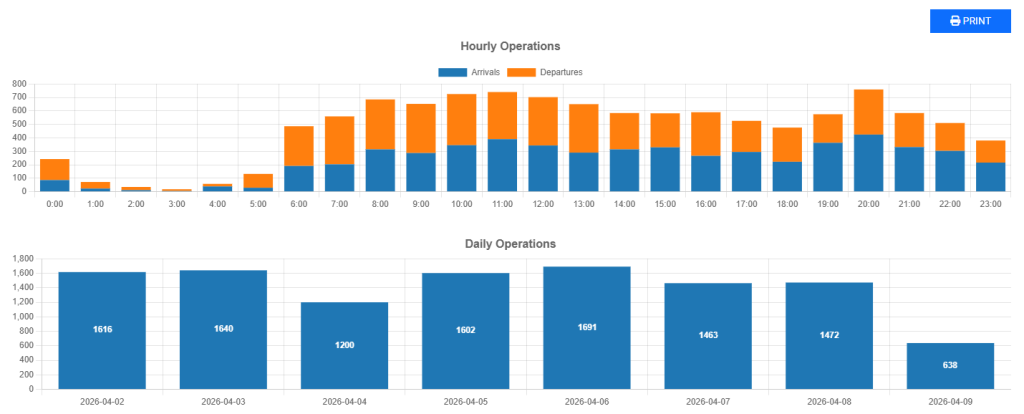
Outputs are structured to support monitoring, analysis, and incident review.
◆ Activity summaries by zone
◆ Vessel proximity events
◆ Movement patterns over time
◆ Incident and alert logs
Using the Network
The same network infrastructure supports multiple operational domains, with configuration based on the asset and environment.
Access to the network is provided through APIs, configured data services, and deployments where required.